Corcoran, CA
Corcoran Auto Collision Shop That Gets the Small Details Right
We repair collision damage, dents, bumpers, bent frames and paint at our shop in Corcoran, and we help you work through the insurance claim. Drivers come in from Hanford, Tulare and Tipton because the parts you never see, like seam sealer, corrosion coatings and welds, get the same care as the paint.
- I-CAR Platinum certified
- Written line-item estimates
- Photos of hidden damage
- Repair plan explained first
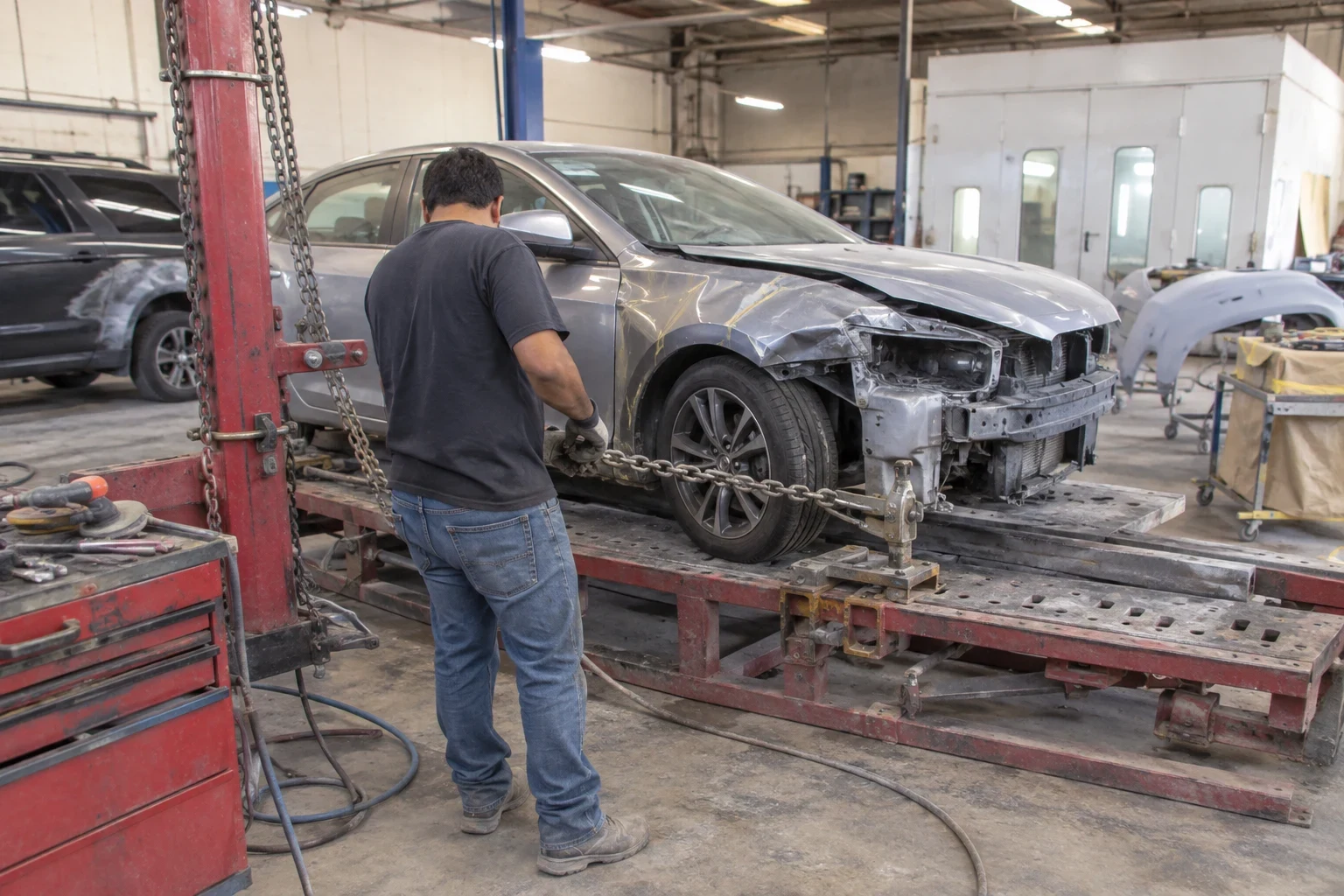
Auto Body Repair From Frame to Clearcoat
Most collisions damage more than one layer of your car, so we handle the full repair under one roof. That covers collision repair, dent repair, bumper repair, frame straightening, and paint and refinishing. If an insurance company is involved, our Insurance Claims page explains how we document damage and work with your adjuster. Each service page walks through what fails, how we fix it and what changes the cost.
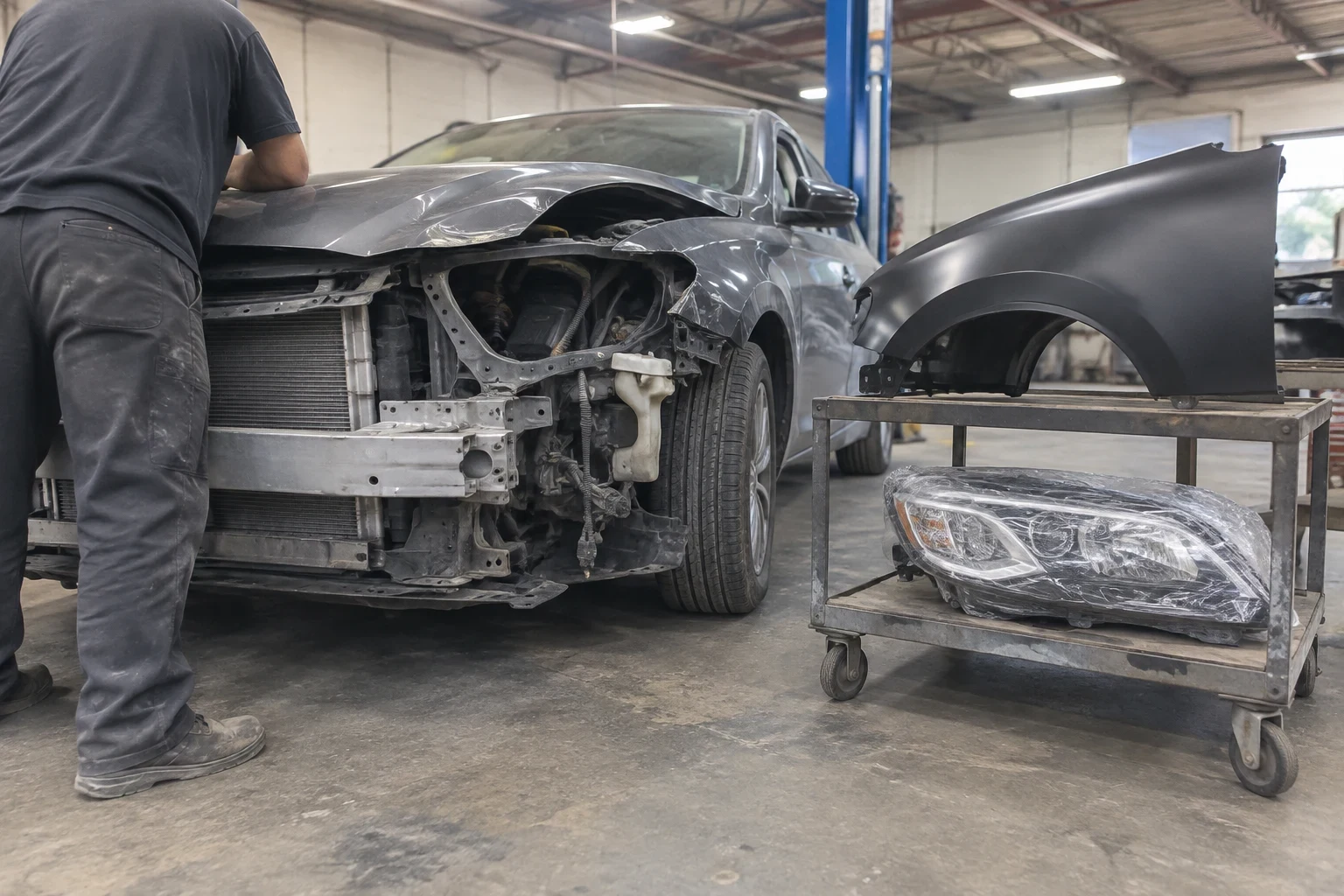
Collision Repair
Structural and cosmetic repair after a crash, with hidden damage found early and seams, welds and gaps finished to match the factory build.
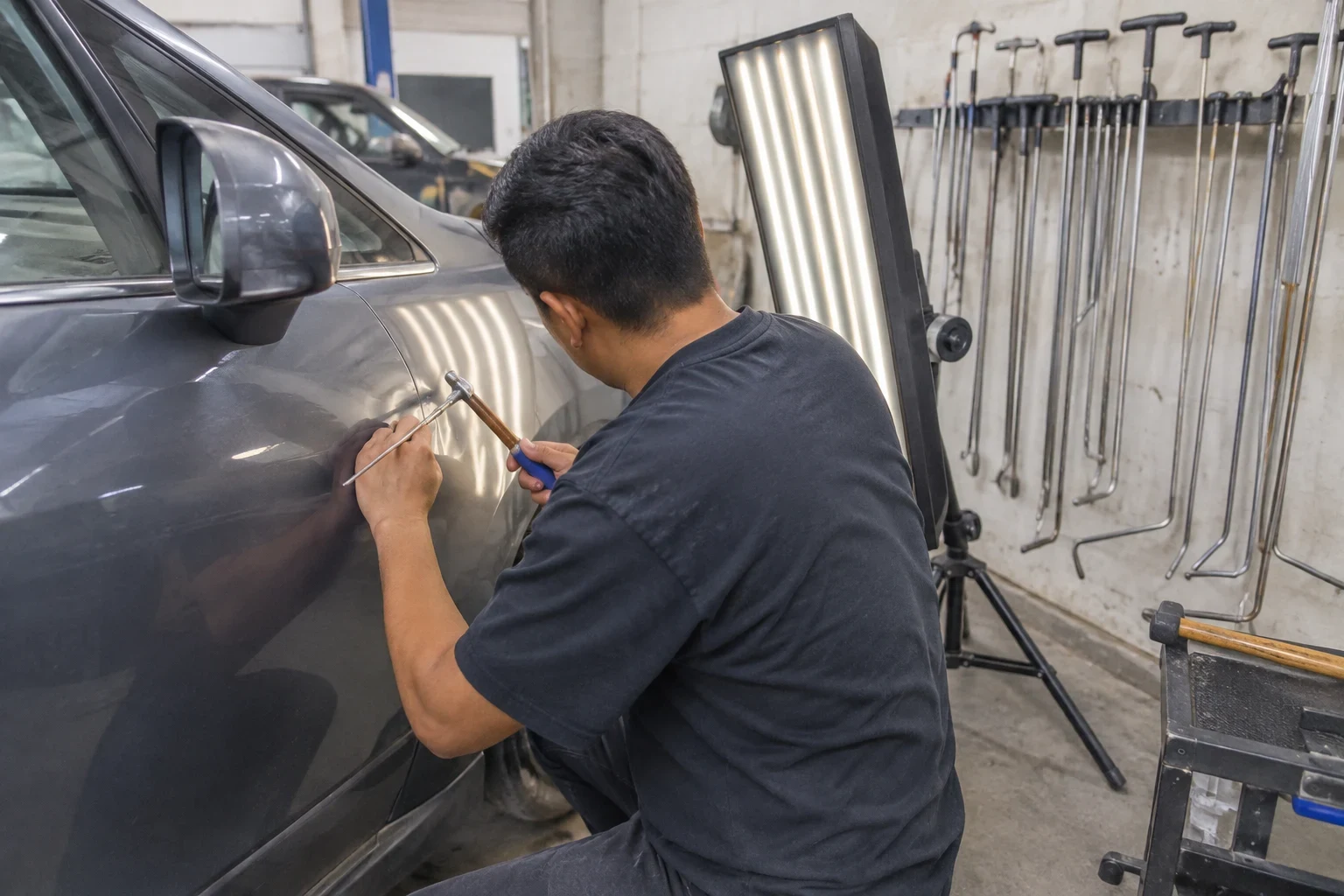
Dent Repair
Paintless dent removal for dings, creases and hail, with conventional metal work and refinishing when the paint is cracked or the metal is stretched.
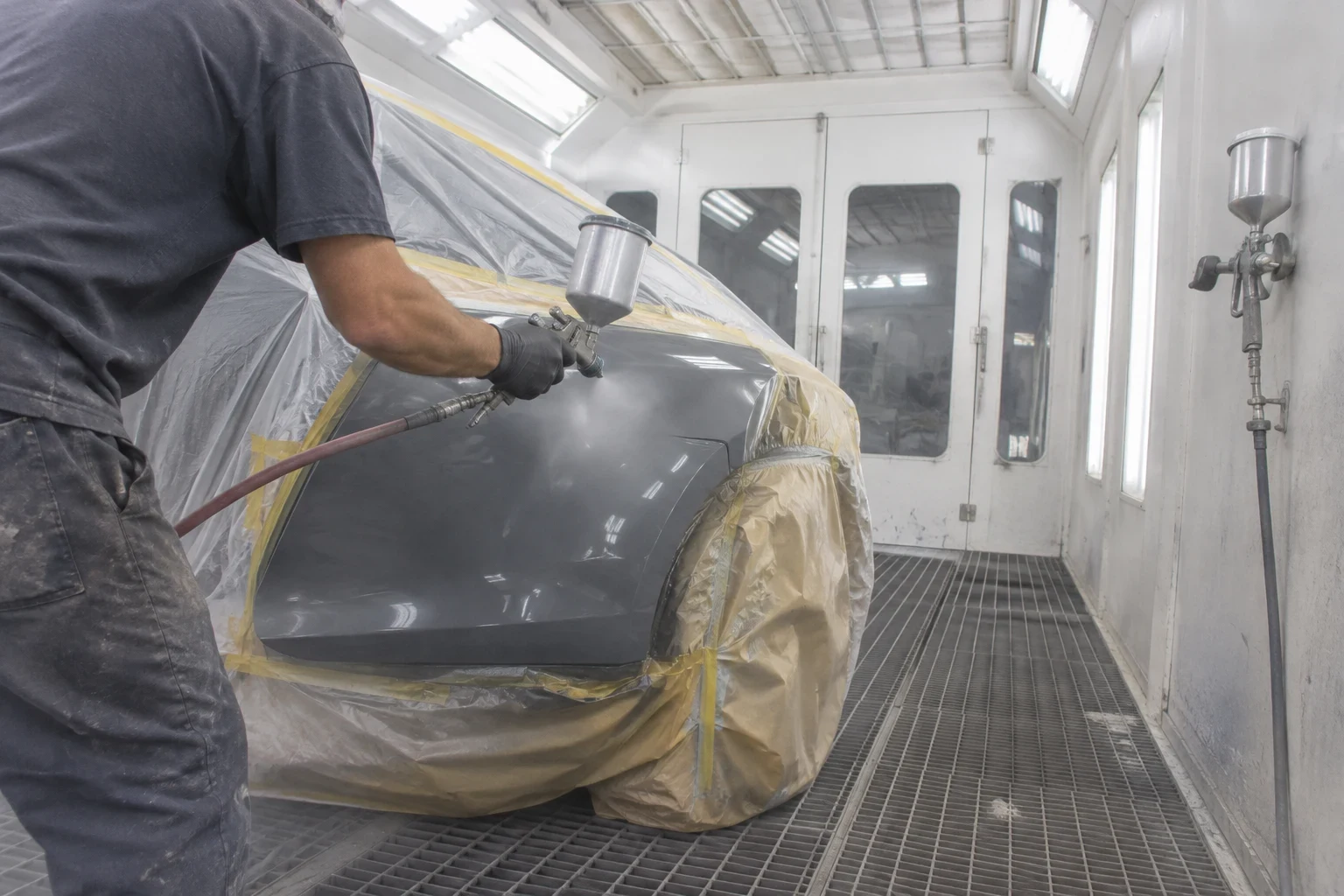
Paint and Refinishing
Panel refinishing with proper prep, primer over bare metal, spray-out color matching and blended clear coat so the repair matches and lasts.
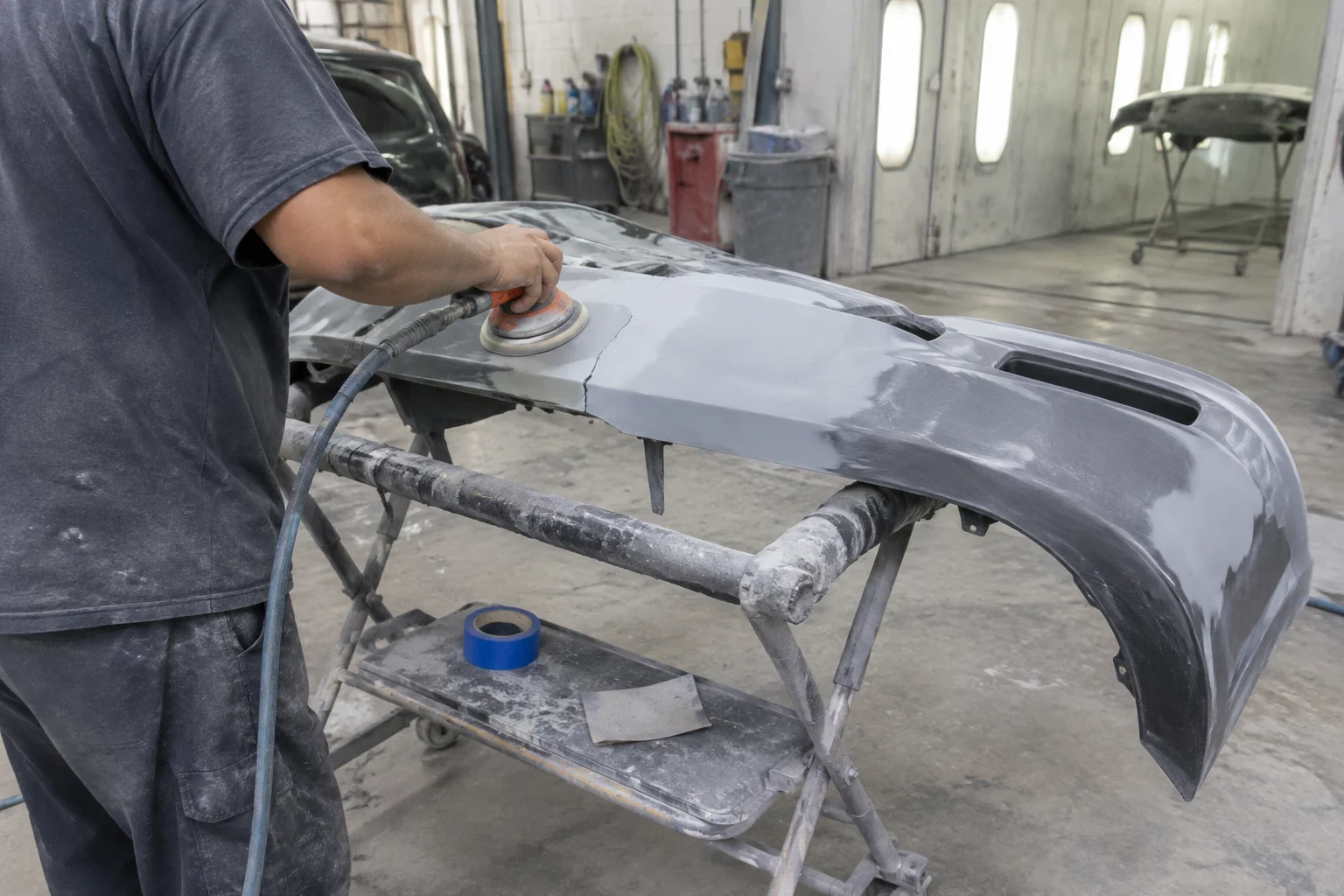
Bumper Repair
Cracked, torn or sagging bumper covers repaired with plastic welding, rebuilt mounting tabs and flex-additive paint, or replaced when repair is not the honest answer.
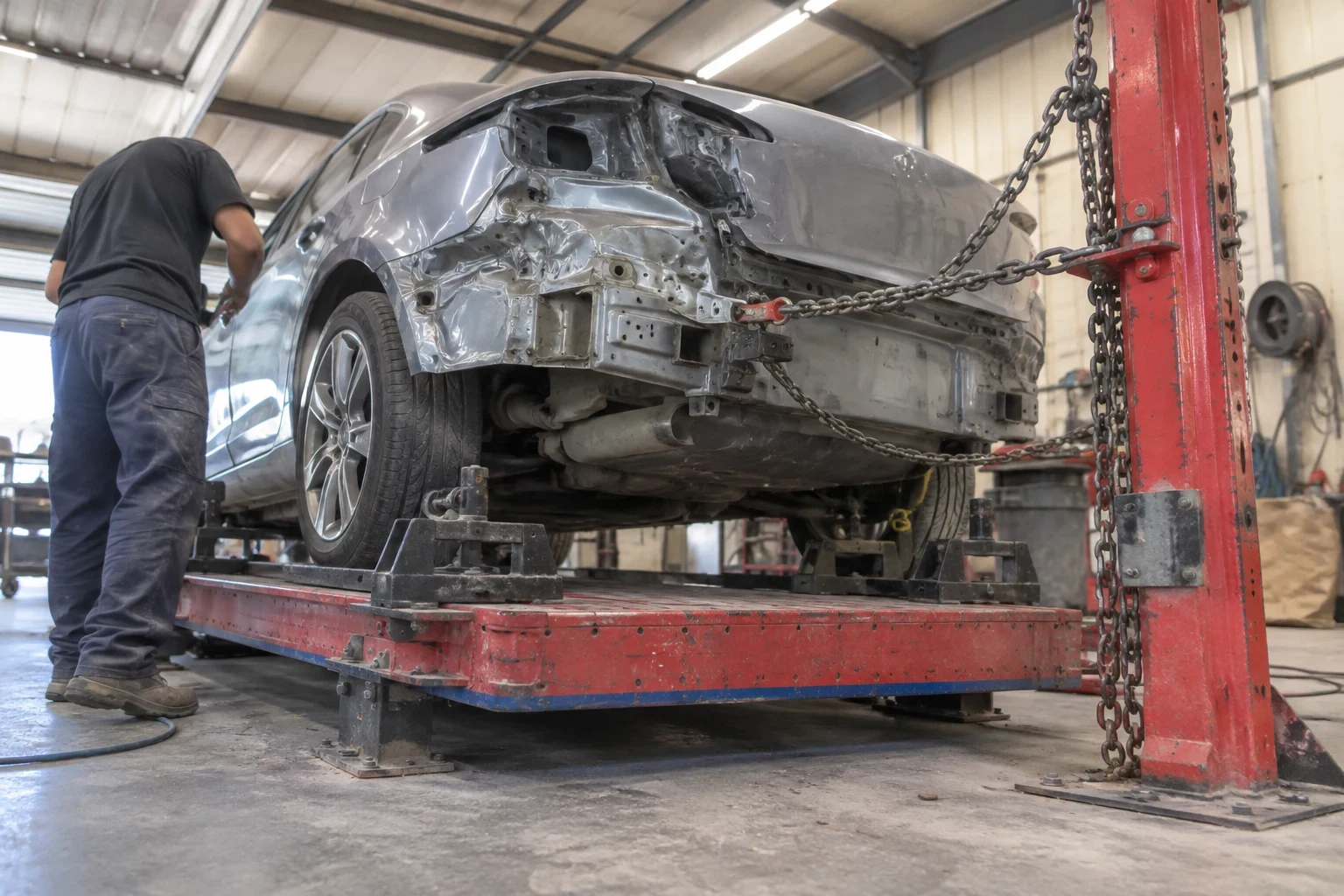
Frame Straightening
Measured frame and unibody repair that returns mounting points to factory dimensions so panels fit, doors close and tires wear evenly.
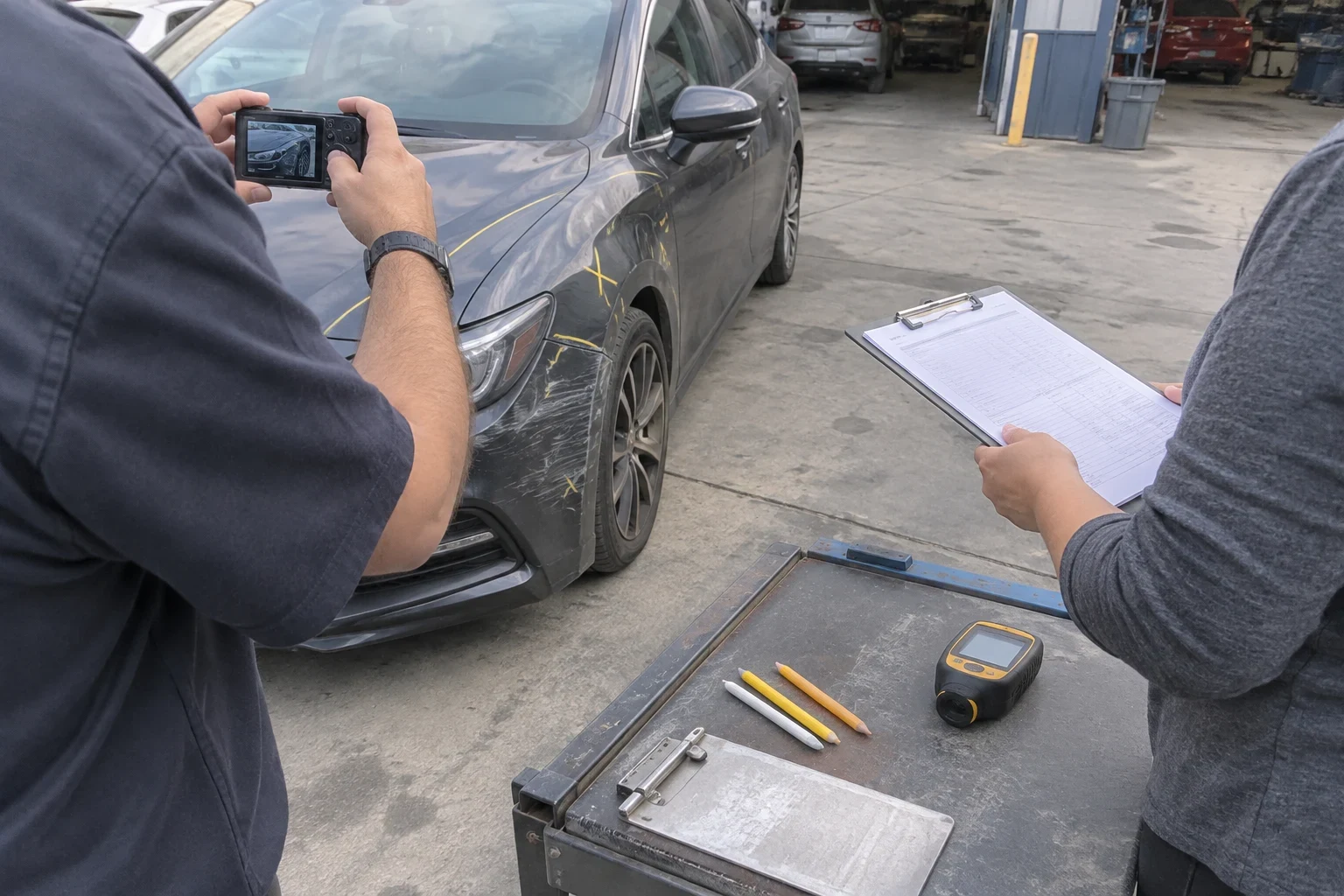
Insurance Claims
We photograph the damage, write the repair to factory procedures and send your adjuster the documentation needed to cover every step of the job.
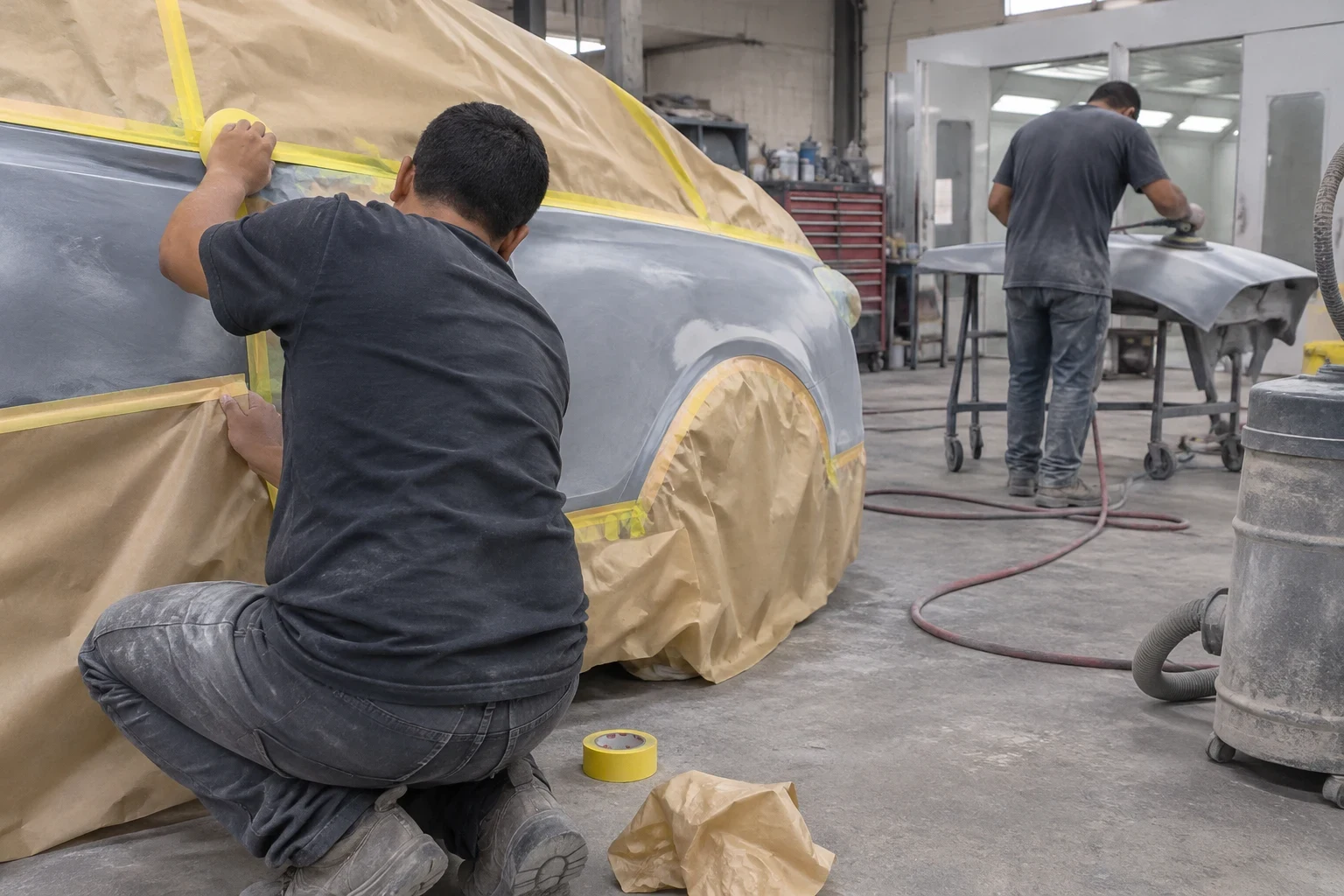
A Body Shop Run on Small Steps
We are a collision shop in Corcoran, California. The work we care most about is the part customers rarely see: the bead of seam sealer along a quarter panel, the primer on the back of a weld, the clip that holds a bumper cover tight so it doesn't rattle loose on the highway.
Those steps take time, and they are the difference between a repair that holds for the life of your car and one that comes back. We explain them in plain terms when you drop off your car, and we show you photos of the work in progress if you want to see them.
- Certifications
- I-CAR Platinum certified
How a Repair Runs at Our Shop
Each job moves through the same sequence, so no step gets skipped and you know what is coming next.
- 1
A first phone call
Describe the accident and the damage you can see, and we will find a time for you to drop the car off. If there is an insurance claim, we let you know which details and claim numbers to bring along.
- 2
Inspection and written estimate
We go over the damage, check panel gaps and lighting, and scan for stored warning codes. The estimate lists labor, parts, paint and any calibration line by line.
- 3
Teardown and photos
Damaged parts come off so we can see what sits behind them. Anything new we find is photographed and shared with you and the insurer before it is added to the repair.
- 4
Structure, body and paint
Structural and frame work happens first, followed by panel repair, sealing and corrosion protection, then primer, base coat and clear. Reassembly uses new clips and fasteners wherever the originals are one-time use.
- 5
Final check and pickup
We road test the car, confirm sensors and lights work, and inspect the paint under bright light. When you pick up, we walk around the car with you and point out what was done.
What Moves the Cost of a Repair
Two cars with similar dents can need very different repairs. The price depends on what is bent, what is behind it and what the manufacturer says the fix must include. We write the estimate line by line so you can see where each part of the cost comes from.
We inspect your car in person and give you a written estimate before any work starts. If teardown turns up more damage, we show you the photos and update the estimate before going further.
- Damage behind the panel
- A cracked bumper cover is one thing. Broken absorbers, bent reinforcement bars or crushed brackets behind it add parts and labor, and they only show up once the cover comes off.
- Repair or replace
- We repair panels when the metal can be brought back to shape and strength. Kinked high-strength steel or torn aluminum usually has to be replaced, because heating and straightening it weakens the metal.
- Paint and blending
- Metallic and three-stage pearl colors take more material and more time to match. Blending into the adjacent panels adds work but keeps the color from shifting when you look at the car from an angle.
- Sensors and calibration
- Radar, cameras and parking sensors mounted in bumpers and mirrors often need recalibration after a repair. The system and the manufacturer's procedure decide what that involves.
- Parts availability
- New factory parts, aftermarket parts and recycled parts differ in price and fit. We tell you which ones the estimate uses and why, and what waiting on a back-ordered part means for timing.
Where Our Customers Drive In From
We work out of one shop in Corcoran, and plenty of our customers make the drive from nearby towns. Cars arrive from Hanford and Armona, from Tulare and Tipton, and from Pixley to the south. Every repair is done here at the shop, because that is where the frame measuring equipment, the paint booth and the tools for each job are kept.
- Corcoran
- Tipton
- Tulare
- Hanford
- Armona
- Pixley
Not sure the trip is worth it for your damage? Give us a call, describe what happened and we will tell you honestly what the repair is likely to involve.
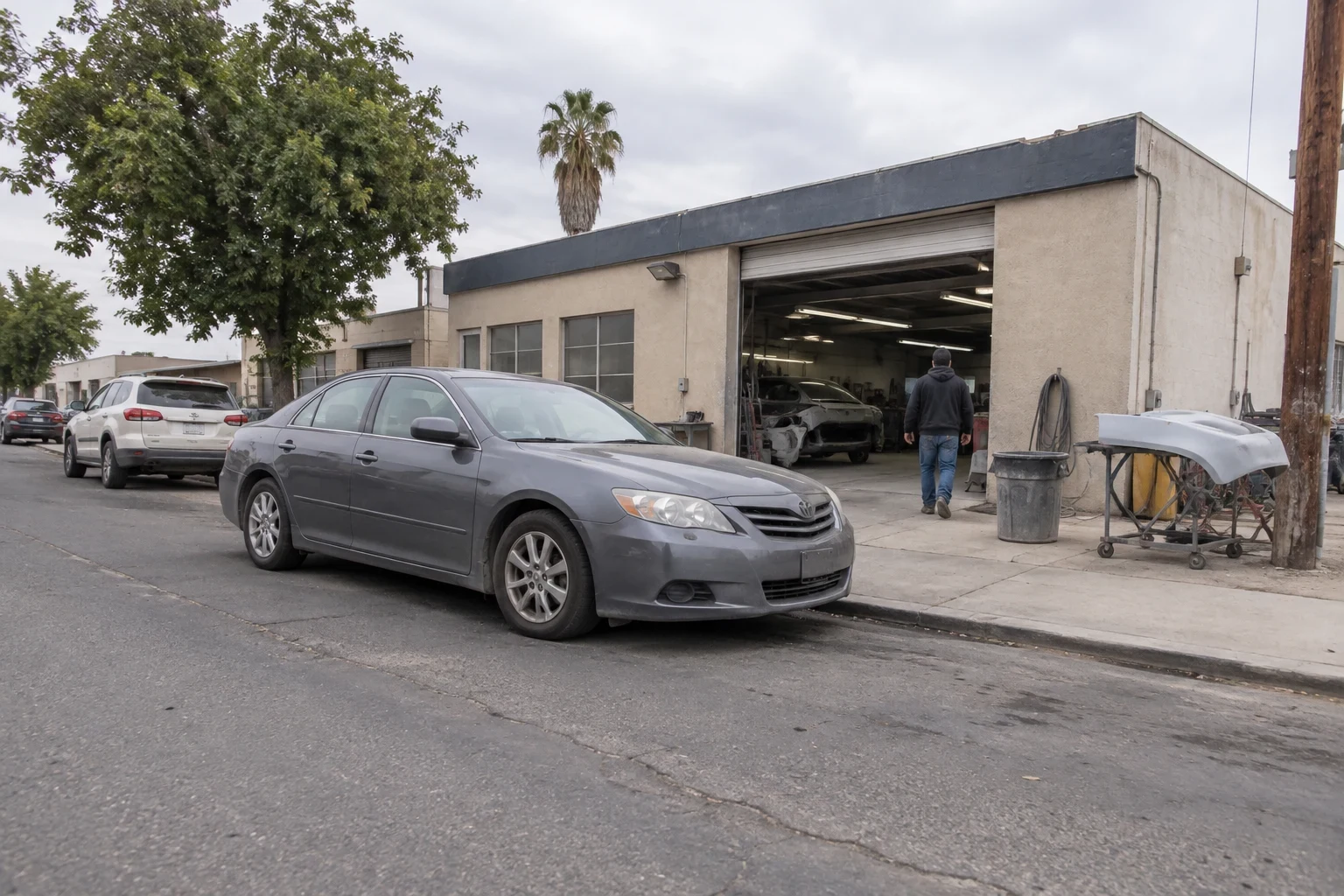
Why Drivers Bring Their Cars to Us
A repair can look perfect on pickup and still fail in two years if a step was skipped underneath. These are the details we spend time on.
Training that matches modern cars
Our shop is I-CAR Platinum certified. That training covers high-strength steels, aluminum, structural adhesives and the sensor systems built into newer bumpers and windshields, which is most of what makes collision work hard today.
Corrosion protection put back
Grinding and welding burn off the factory e-coat inside a panel. We use weld-through primer at the joints, then restore seam sealer and cavity wax where the factory had them. Skip that, and rust starts from the inside where nobody sees it until the paint bubbles.
Measured, not eyeballed
A door gap can look even while the suspension mounts sit a few millimeters off. We measure the structure against factory dimensions before and after any pull, so the car tracks straight and the panels fit without being forced.
Paint built in proper layers
We match color with a spray-out card, blend into the neighboring panels and lay clearcoat at the correct film thickness. Thin clear fades and peels early under strong sun, so we don't rush that coat.
You see what we found
Once a bumper cover or door panel comes off, we photograph the hidden damage and walk you through it before adding anything to the repair.
Common Repair Questions, Answered
- My insurer recommended a body shop. Can I pick a different one?
- Yes. California law lets you decide where your car gets repaired. Your insurance company can suggest a shop, but the choice stays with you. If you bring your car to us, we work directly with your adjuster on the estimate and send photos of any hidden damage we uncover.
- Will the new paint match the rest of my car?
- We start with the factory paint code, then spray a test card and hold it against your car in daylight, since the same code can come out slightly different from one car to the next. The color is blended into the panels beside the repair so you can't see where new paint meets old.
- Can a dent be fixed without repainting the panel?
- Sometimes. If the paint is not cracked or chipped and we can reach the back of the panel, the metal can often be worked back into shape with the original finish intact. Dents on sharp body lines, near panel edges or with broken paint usually need filler, primer and refinishing. We look at the dent in person and tell you which approach fits.
- How long will my repair take?
- That depends on how much is damaged, how quickly parts arrive and whether the insurer has to approve items found during teardown. After the inspection we give you an estimated timeline, and if a part delay changes it, we let you know as soon as we hear.
- Why did my estimate go up after you took the car apart?
- A lot of damage hides behind the outer panel, such as a bent bumper reinforcement or a cracked sensor bracket. None of it can be seen until the part comes off. When we find something, we photograph it, explain what it is and get approval from you or your insurer before doing the extra work.
- My car drives fine. Could it still have frame damage?
- It can. An impact can shift structural parts enough to change wheel alignment, panel gaps or how the car absorbs the next crash, with no obvious symptom at first. Uneven tire wear, a steering wheel that pulls or doors that shut differently are clues. Measuring the structure against factory dimensions is the only way to know for sure.
- Will my car need its safety sensors recalibrated?
- Often, yes. Radar units, cameras and blind spot sensors in bumpers, grilles and mirrors are aimed at precise angles. A small shift in a mount can throw them off, so after the repair we check each system and follow the manufacturer's calibration procedure.
Get Your Car Fixed the Right Way
Tell us what happened and we will set up a time to look at your car and write up the estimate. You will know what the repair involves before we start.